Moroccan Sellou (Sfouf) Without Butter or Oil: Easy Ramadan Recipe
This Moroccan sellou recipe and all the photos come from Meryem, who shares her family recipes on her YouTube channel Les recettes &Co de Meryem and on Instagram at @meryem.cakes. She makes this sellou every year for Ramadan.
Sellou, also called sfouf or slilou, is the sweet every Moroccan family prepares before Ramadan. It’s a rich, crumbly paste of toasted flour, roasted almonds and sesame seeds, scented with anise, fennel and cinnamon. It’s eaten with a spoon at iftar or suhoor, with a glass of mint tea or a coffee, because it gives lasting energy after a day of fasting.
What makes this version different: it has no butter and no oil at all. Most sellou recipes bind the mixture with a lot of melted butter or oil. Meryem grinds the almonds, peanuts and sesame for a long time instead, until their own natural oils make the sellou soft and moist. The result is lighter, and it tastes more of almonds and sesame than of fat or sugar.
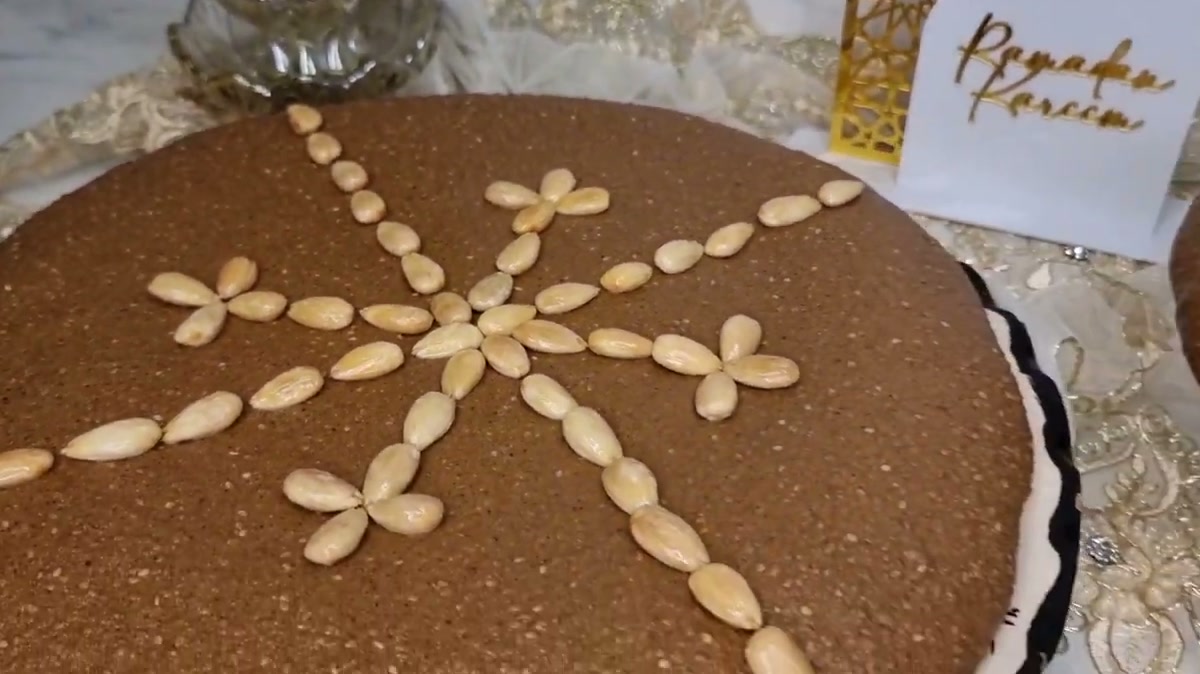
Table of Contents
Why you’ll love this Moroccan sellou recipe
- No added butter or oil: all the richness comes from the almonds, sesame and peanuts.
- Lightly sweet: you add powdered sugar or honey to taste at the end.
- Big batch, keeps for weeks: one round of work covers the whole month of Ramadan.
- Everything is oven-roasted: no frying, just toasting in the oven or a dry pan.
Ingredients for Moroccan sellou
These quantities are for 1 kg of flour, which makes about 3.5 kg of sellou. In the video Meryem doubles them.
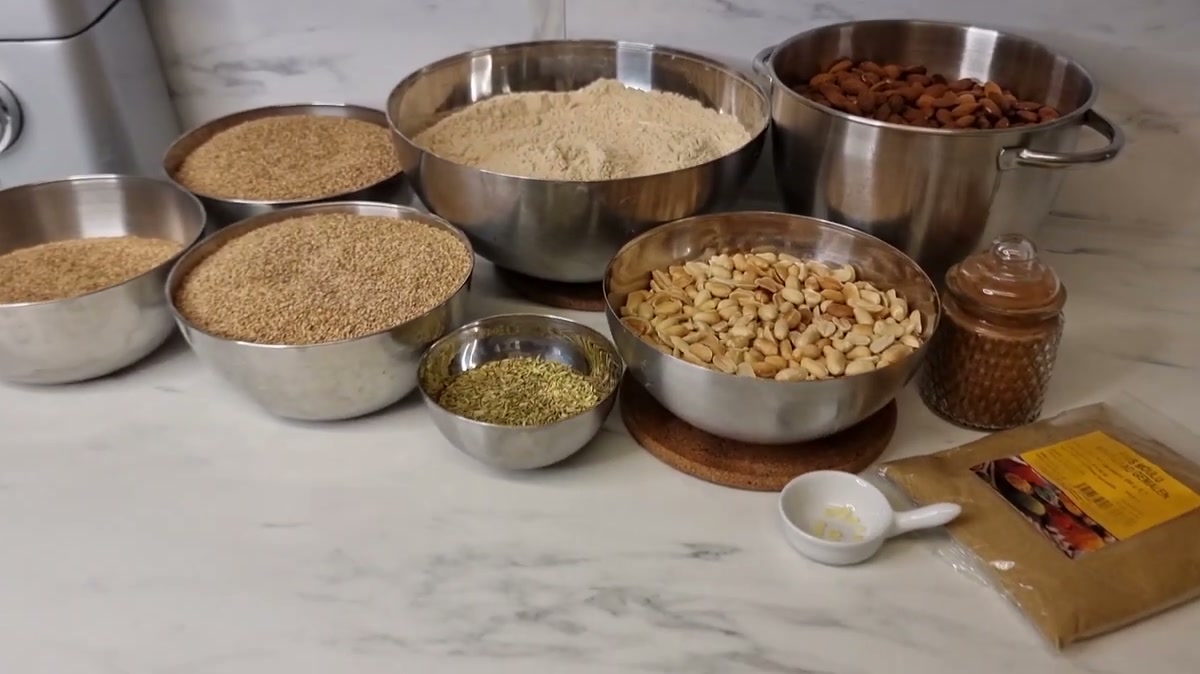
- Flour: plain all-purpose flour, toasted until golden. This is the base of sellou and the step that takes the longest.
- Almonds with their skin: the skin holds much of the flavor and the natural fat that replaces the butter. Plus 200 g of blanched almonds to add whole and to decorate.
- Sesame seeds: 1 kg to grind and 200 g left whole for texture. Buying them already toasted saves time.
- Peanuts: blanched, unsalted. Only 300 g, so they don’t overpower the almonds.
- Anise and fennel: the classic sellou aromas.
- Gum arabic (meska horra): a few pearls ground with the fennel give sellou its typical fragrance. You’ll find it in Middle Eastern and North African shops.
- Cinnamon and a pinch of salt: the salt brings out the flavors and helps the sellou keep.
- Powdered sugar or honey: to taste.
How to make Moroccan sellou without butter or oil
1. Toast the flour
This is the longest step. Meryem uses a quick method: she puts the flour in a heavy-bottomed pot over very low heat and stirs it with a whisk from time to time. A whisk works better than a spatula and breaks up lumps. Count about 30 minutes per kilo, until the flour is an even golden brown. Don’t walk away: flour burns quickly.
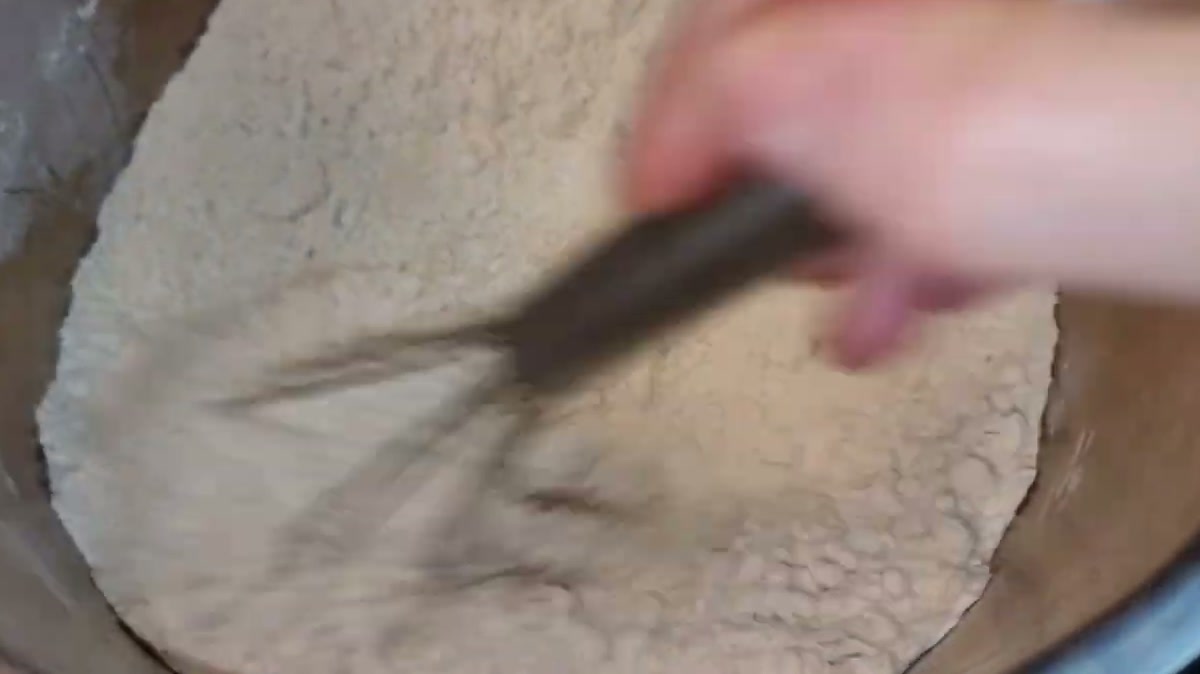
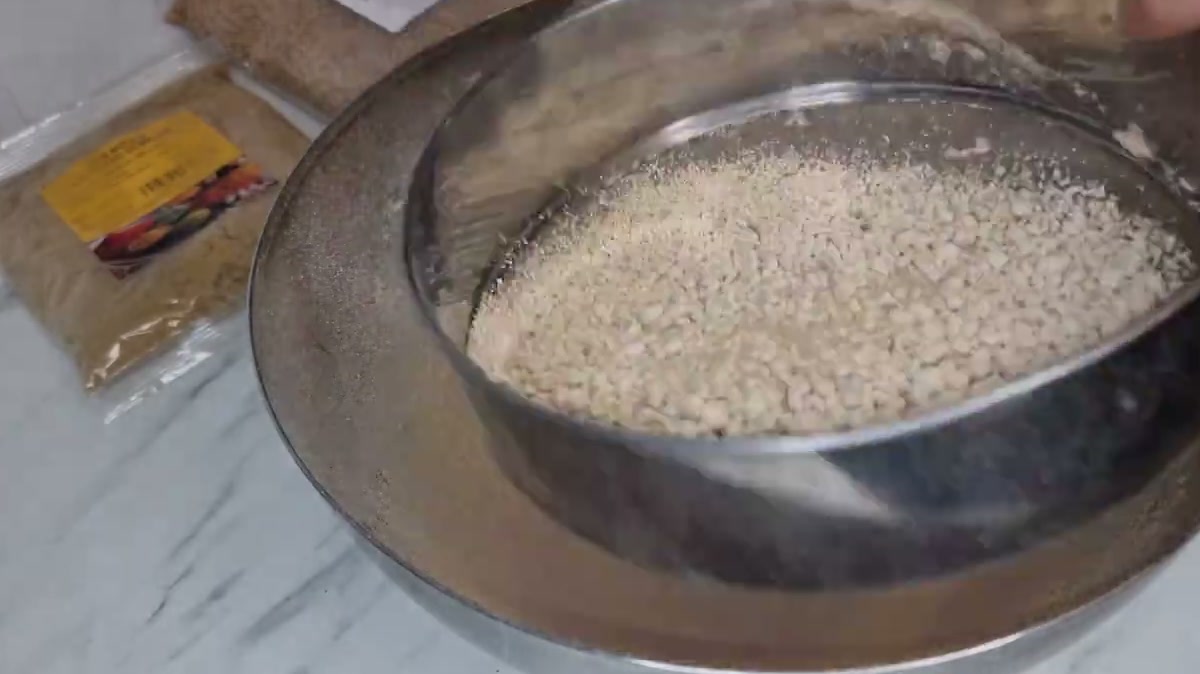
Sift the toasted flour to keep only the fine powder. Crush the small lumps that formed during cooking by hand (or blend them), then sift again.
2. Roast the almonds and peanuts
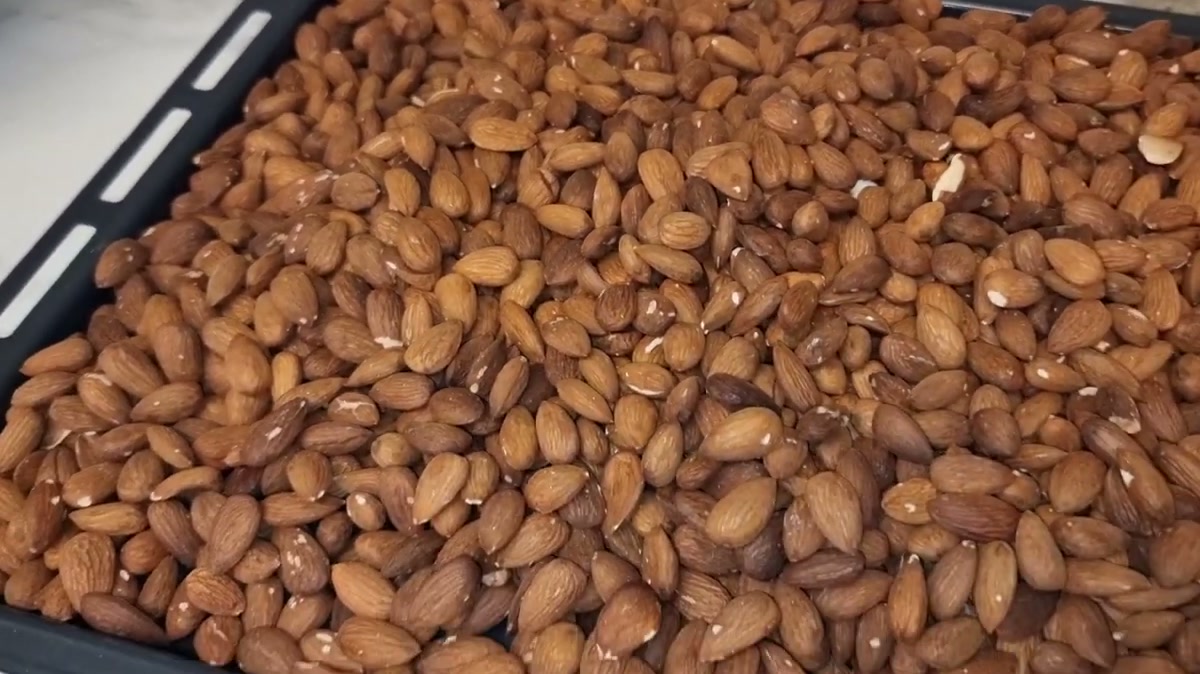
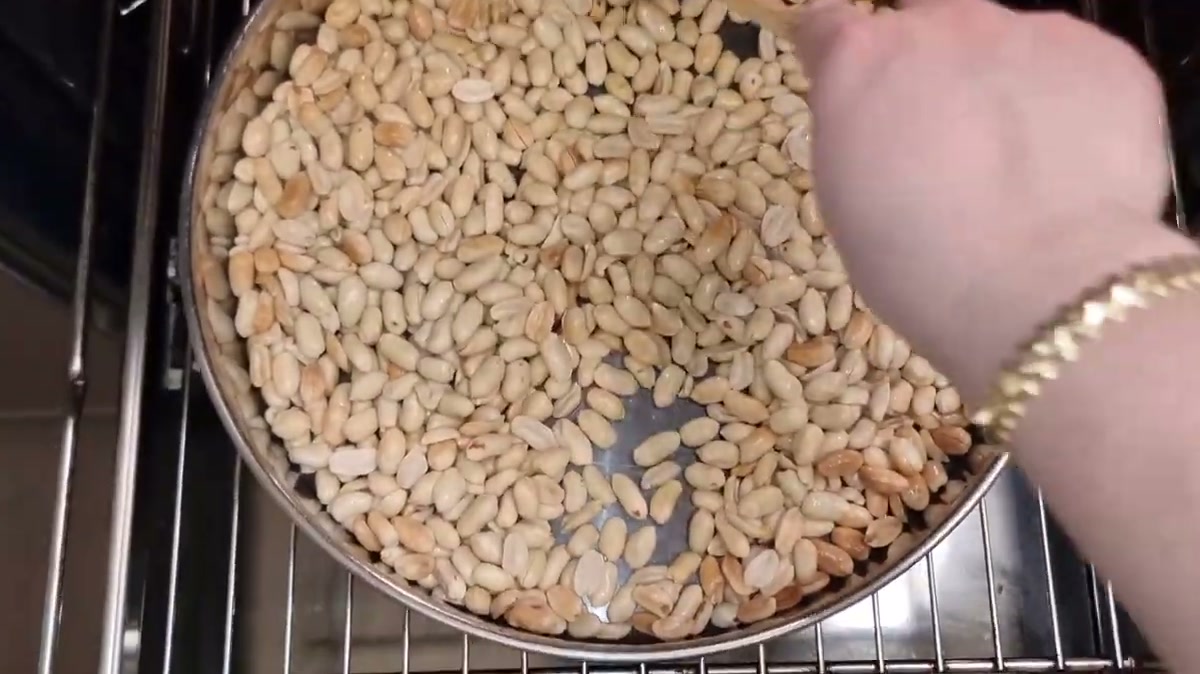
Spread the almonds, with their skin, on a baking tray and roast them under the oven grill, stirring now and then, until they are deeply golden. Do the same with the peanuts. Nothing is fried in oil: everything goes in the oven.
3. Toast the sesame and fennel
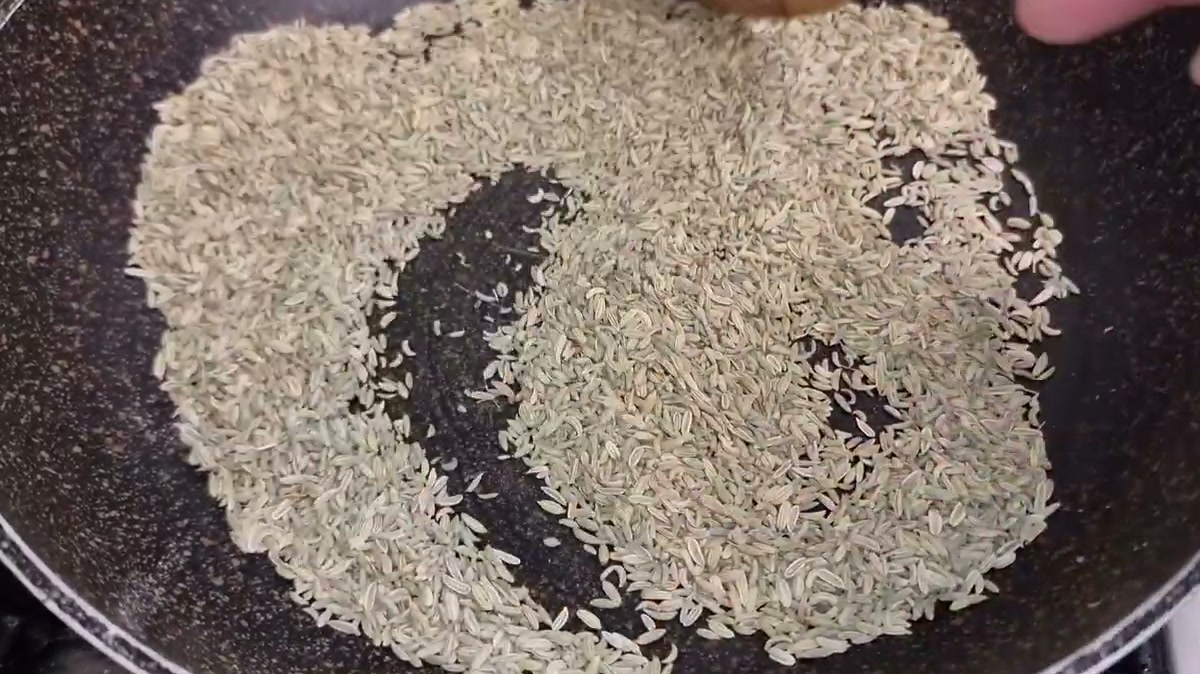
If your sesame seeds are already toasted, just warm them for a few minutes. Pick over the fennel seeds to remove any small stones or stems, then warm them in a dry pan to bring out their aroma.
Let everything cool completely before grinding. You can split the work over two days, as Meryem does: toast everything one evening, cover it and grind the next morning.
4. Grind the nuts into a paste
This is the secret of a sellou without butter. Grind the almonds in a powerful food processor for a long time, much longer than for almond flour, until they turn into a runny paste. Then do the same with the peanuts until they’re semi-liquid.
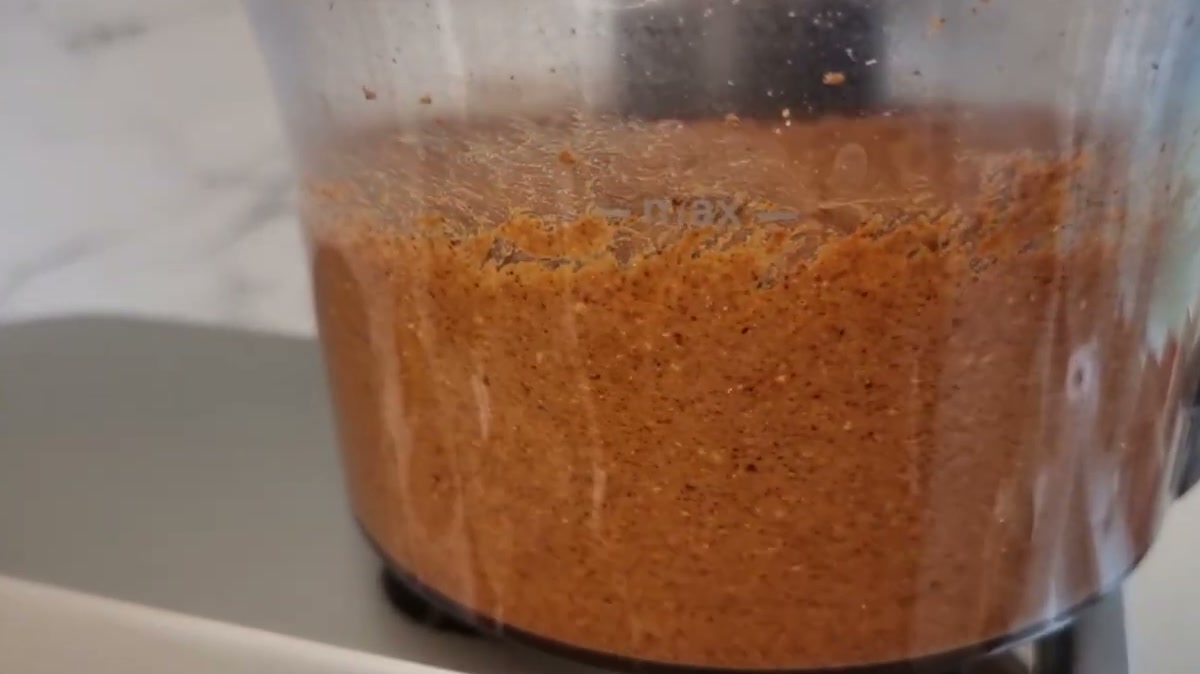
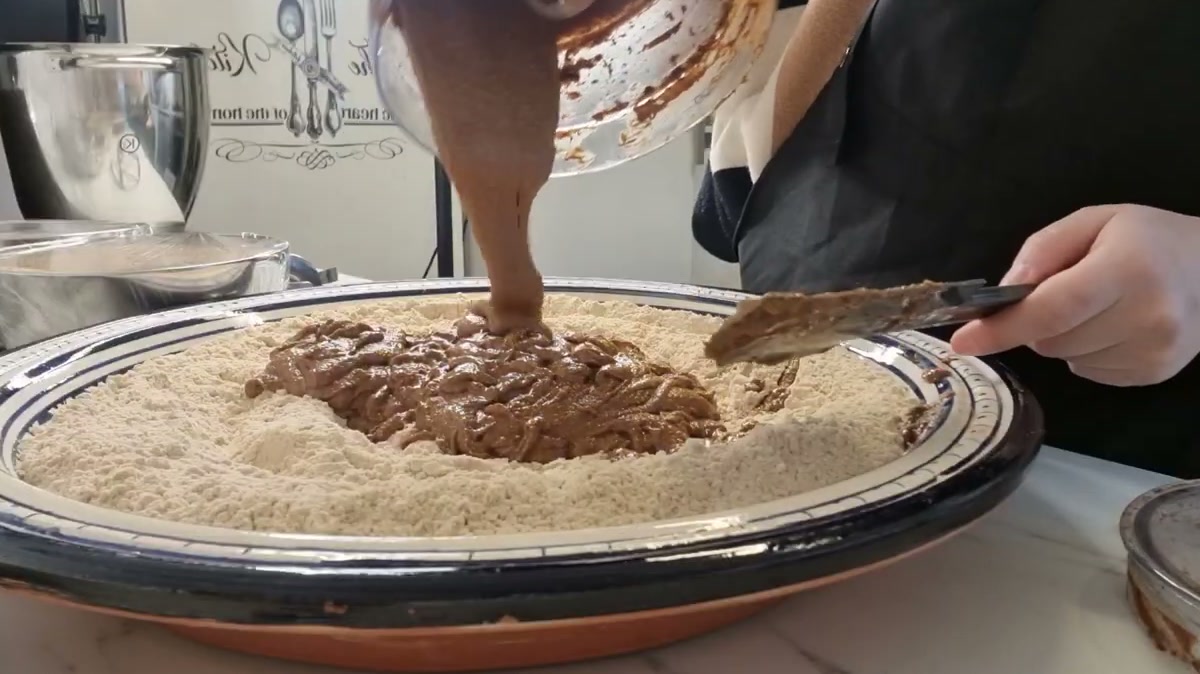
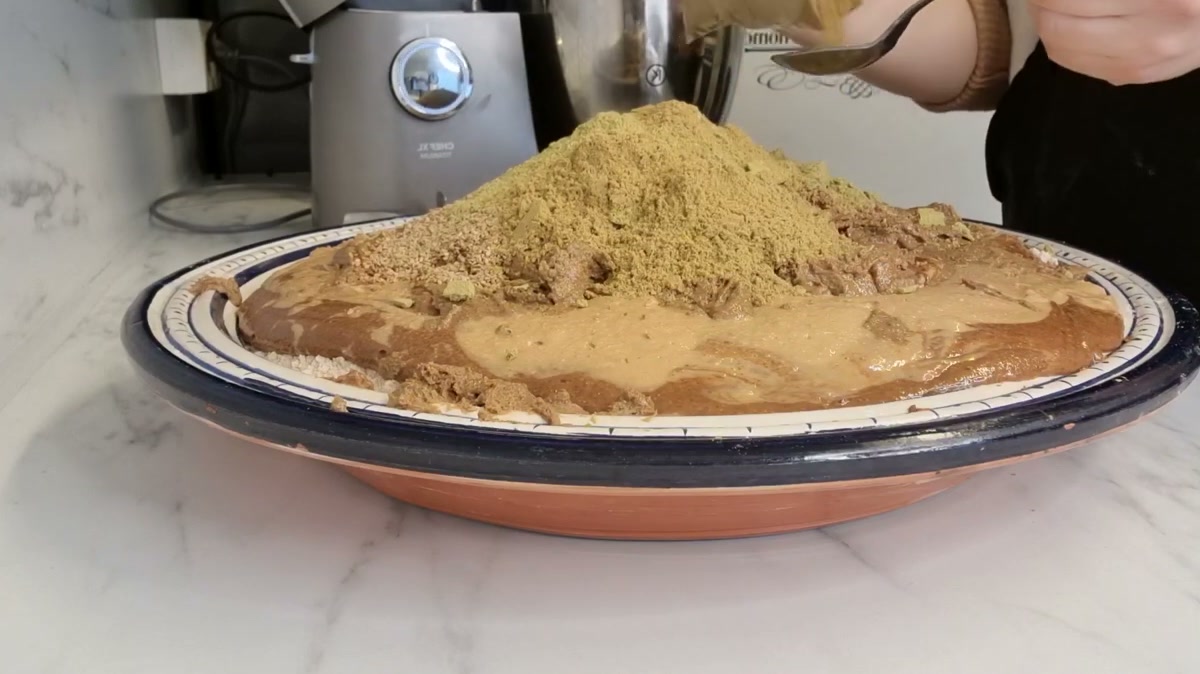
Put the toasted flour in a very large dish and pour the almond paste over it, then the peanut paste.
5. Add the sesame and spices
Grind 1 kg of sesame seeds and add them, along with the 200 g of whole sesame seeds. Grind the fennel seeds with the gum arabic pearls into a fine green powder, and add it with the ground anise, a pinch of salt and the cinnamon.
6. Knead until it holds together
Mix everything by hand first. Then knead the sellou in small batches in a stand mixer with the flat beater. At this stage it needs some force: the more you work it, the more oil the nuts release and the moister the sellou becomes. Don’t overload a small mixer bowl. Add powdered sugar to taste, about 5 tablespoons for this quantity, or honey, and knead again.
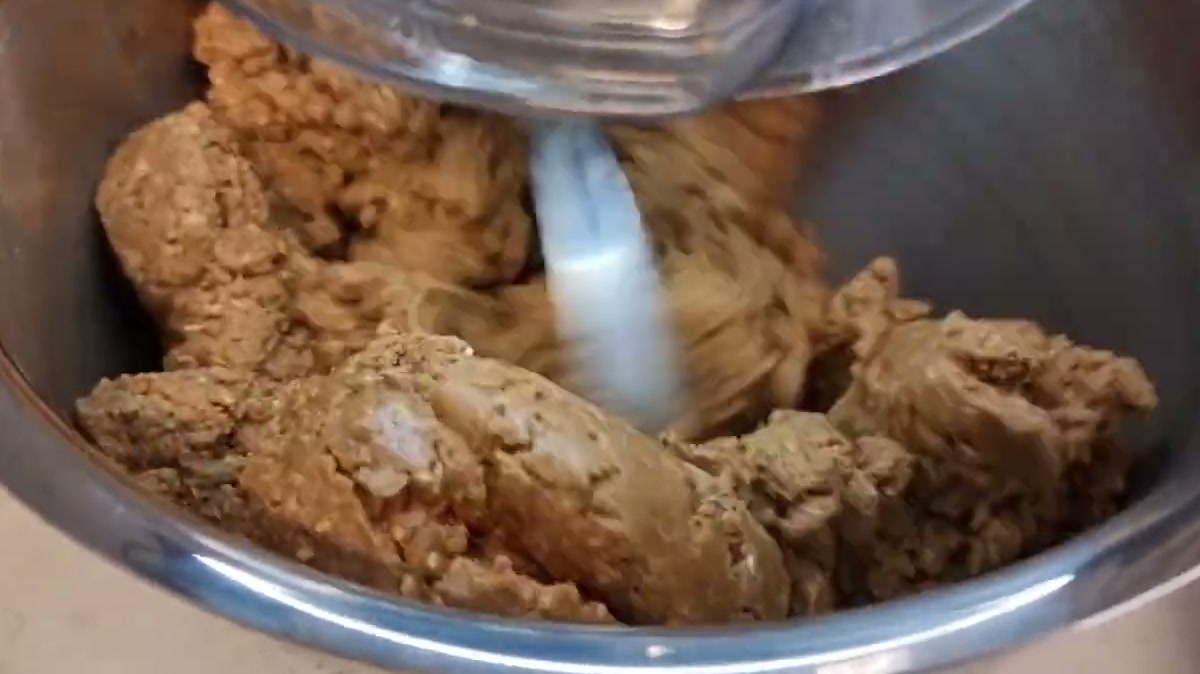
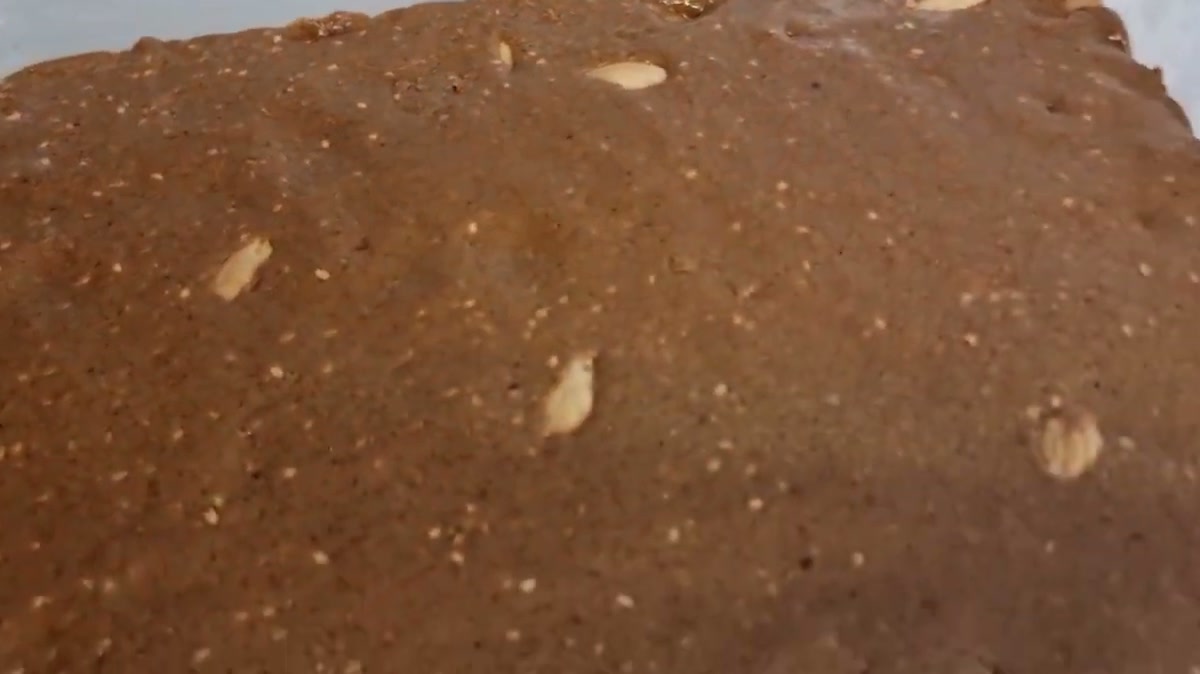
It’s ready when it holds together when you press it into a ball and feels soft and smooth in the mouth.
7. Add the whole almonds and decorate
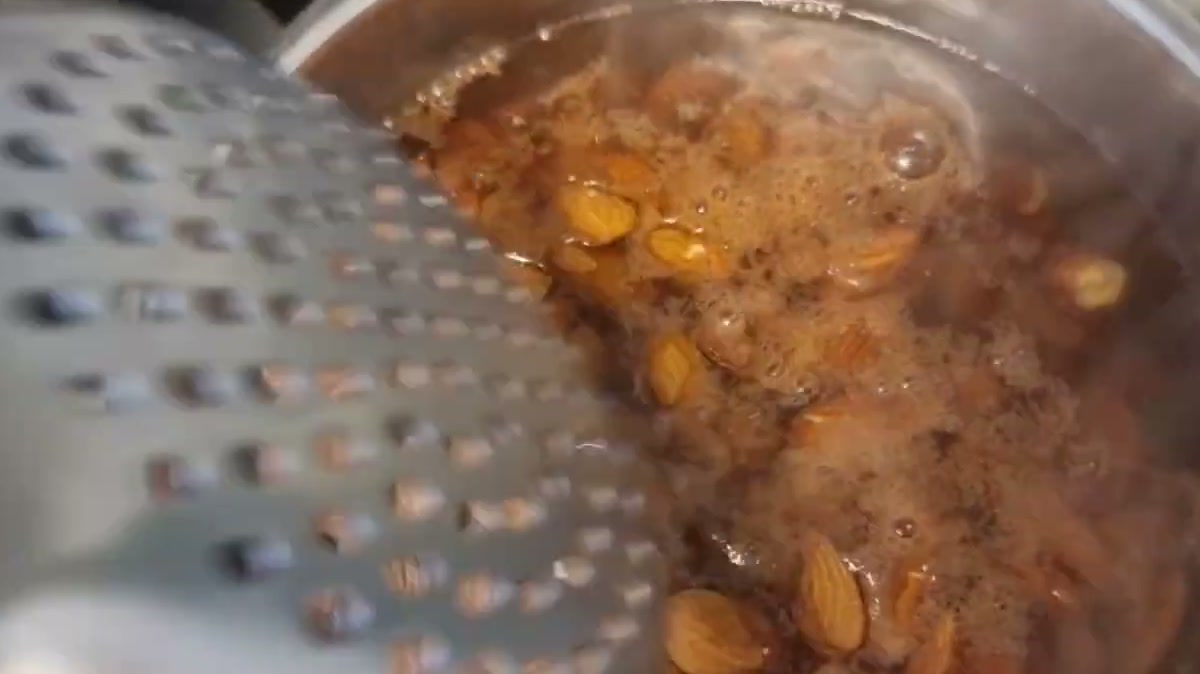
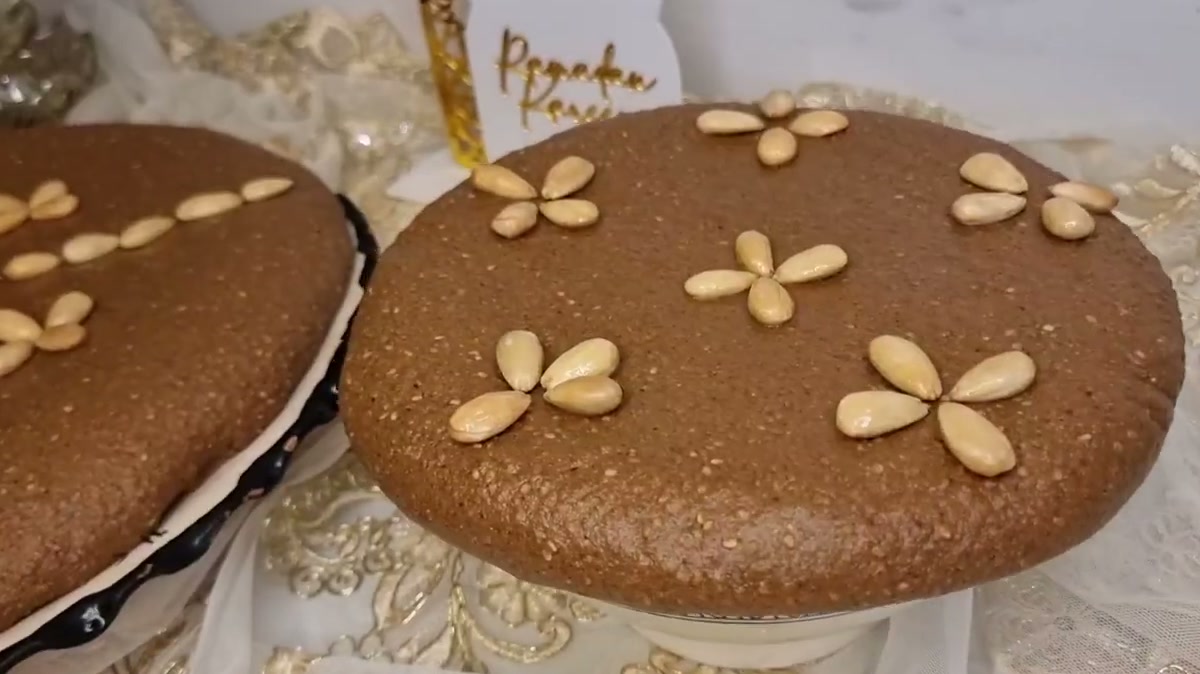
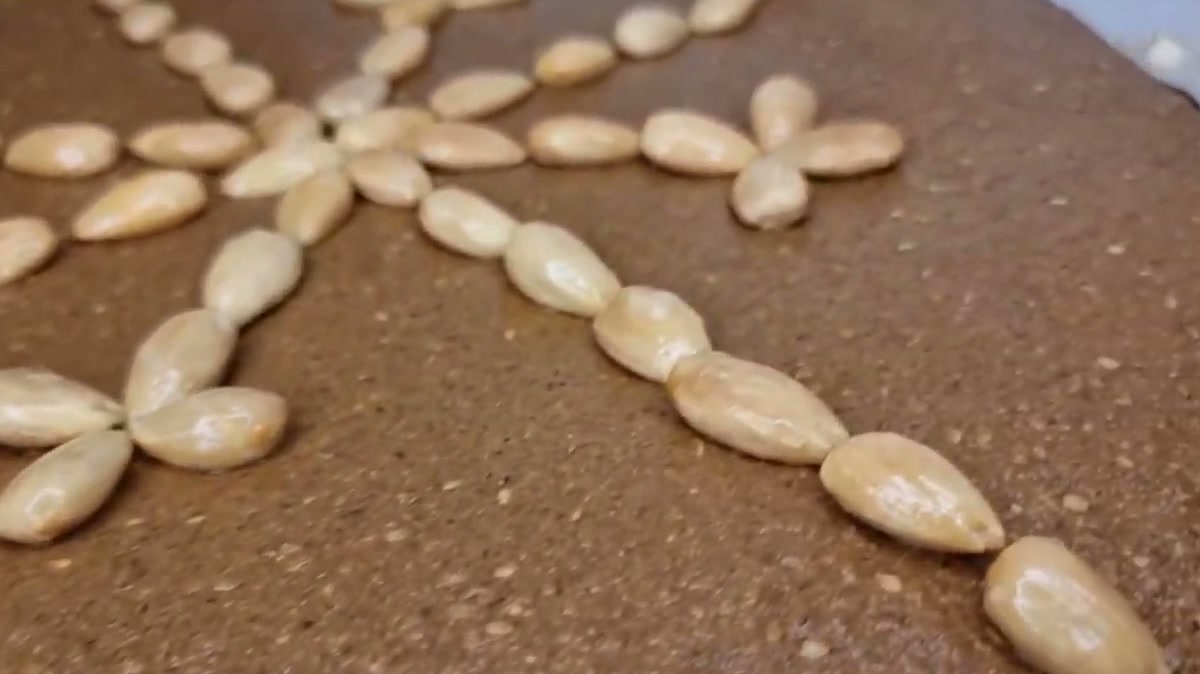
Blanch 200 g of almonds in boiling water, slip off their skins and toast them. Mix most of them into the sellou for a little crunch, and keep a few to decorate the top.
Moroccan Sellou (Sfouf) Without Butter or Oil
Ingredients
Method
- Toast the flour: put it in a heavy-bottomed pot over very low heat and whisk it every few minutes until it turns an even golden brown, about 30 minutes per kilo. Don’t leave it unattended. Sift it, crush any lumps by hand and sift again.
- Spread the almonds (with their skin) on a baking tray and roast them under the oven grill, stirring now and then, until they are deeply golden. No oil is needed.
- Roast the peanuts the same way in the oven, stirring often for an even color.
- If your sesame seeds are raw, toast them in the oven or a dry pan until golden. If you bought them already toasted, just warm them for a few minutes.
- Pick over the fennel seeds to remove any small stones or stems, then warm them in a dry pan for 2 to 3 minutes to release their aroma.
- Let everything cool completely (you can stop here and finish the next day).
- Grind the 1 kg of almonds in a powerful food processor for a long time, until they turn into a runny paste. Put the toasted flour in a very large dish and pour the almond paste over it.
- Grind the peanuts into a semi-liquid paste and add it to the dish. Grind the 1 kg of sesame seeds the same way, add it, then add the 200 g of whole sesame seeds.
- Grind the fennel seeds with the gum arabic pearls into a fine powder and add them, along with the ground anise, the salt and the cinnamon.
- Mix everything by hand until well combined. Then knead it in small batches in a stand mixer with the flat beater: the more you work it, the more the nuts release their natural oils and the softer and moister the sellou becomes.
- Add powdered sugar to taste (or honey) and knead again until the sellou holds together when pressed into a ball.
- Blanch the 200 g of whole almonds in boiling water, peel them and toast them. Mix most of them into the sellou and keep a few to decorate.
- Shape the sellou in a serving dish, decorate it with the almonds and store the rest in an airtight container.
Notes
How to serve Moroccan sellou
Shape the sellou into a mound or a flat round on a serving plate and decorate it with almonds: a star, flowers or simple lines. You can also serve it in small bowls or ramekins, or press it into silicone molds for individual portions. Sellou is eaten with a spoon, with mint tea or coffee, at iftar, at suhoor, or when guests visit.
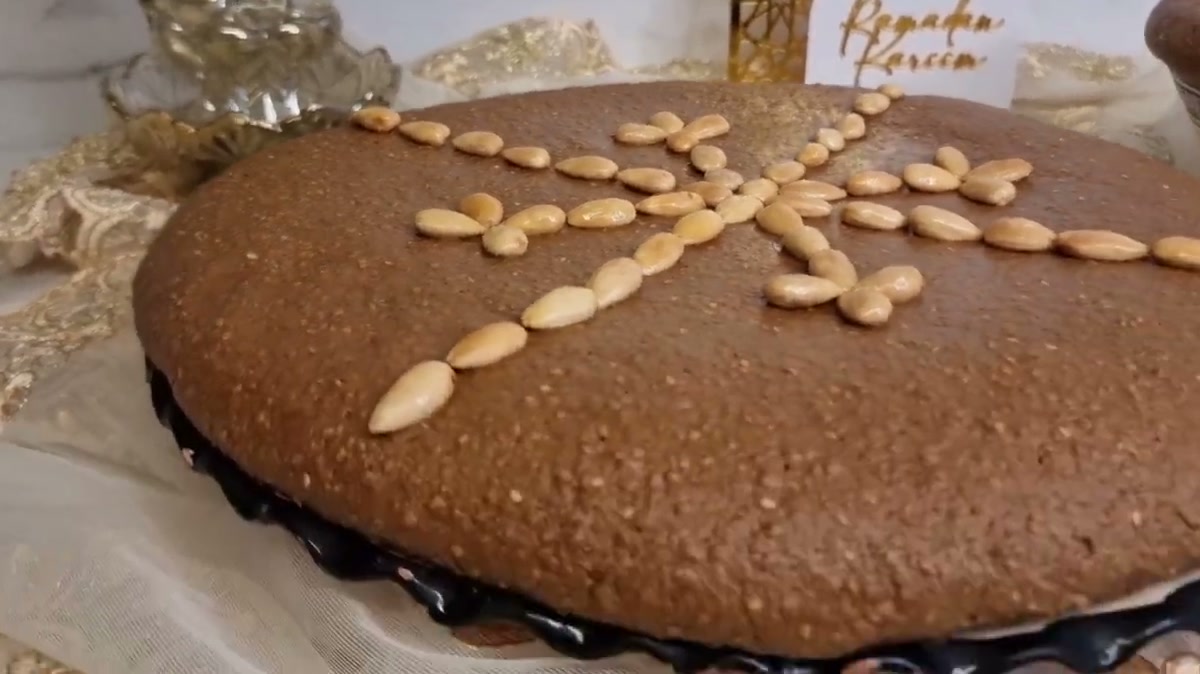
You can watch how Meryem makes it, step by step, in the full video on YouTube.
Tips for the best Moroccan sellou
- Use a powerful food processor and grind in batches. The longer you grind, the creamier the sellou.
- Toast on low heat: burnt flour or almonds make the whole batch bitter.
- Cool before grinding: warm nuts are harder to grind evenly and can overheat the machine.
- Taste before sweetening: add the sugar little by little, at the end.
- Work it well: kneading is what turns a dry, sandy mixture into a soft sellou.
How to store Moroccan sellou
Once the sellou is ready, mix in the remaining almonds and pack it into airtight containers. Keep it in a cool, dry place: sellou keeps for several weeks, which is why families make a big batch before Ramadan.
FAQ
What is Moroccan sellou?
Moroccan sellou (also sfouf or slilou) is a sweet made of toasted flour, ground roasted almonds and sesame seeds, flavored with anise, fennel and cinnamon. It’s traditionally prepared for Ramadan and after childbirth.
Can you make Moroccan sellou without butter?
Yes. This Moroccan sellou recipe has no butter and no oil: the almonds, peanuts and sesame are ground long enough to release their own oils, which bind the sellou.
What’s the difference between sellou and zmita?
Sellou is made with toasted wheat flour, almonds and sesame. Zmita, from the south of Morocco, uses roasted barley flour and often other grains and seeds.
Can I toast the flour in the oven?
Yes. Spread it on a tray and toast it at a low temperature, stirring regularly, until golden. The pot method in this recipe is faster.
Can I use honey instead of sugar?
Yes. Add it at the end, a little at a time, and knead well. Sellou made with honey is slightly moister.
How long does Moroccan sellou keep?
Moroccan sellou keeps for several weeks in an airtight container, in a cool, dry place.
More Moroccan recipes
For Ramadan, try our Moroccan lentils, the Moroccan chnek brioche swirls for tea time, or a festive lamb tagine with prunes and almonds.
Browse more Moroccan recipes.